
Secondary Ion Mass Spectrometry
Secondary ion mass spectrometry (SIMS)
Secondary ion mass spectrometry (SIMS) is a tool that is widely used by industry and academic
groups for 3D imaging of elements and molecular fragments. With excellent spatial resolution,
SIMS has enabled significant advances in the development of solar cells, semiconductor devices,
and batteries. For biological samples, the technique is particularly suited to the detection and
imaging of small molecules, such as membrane lipids, metabolites, and drugs..
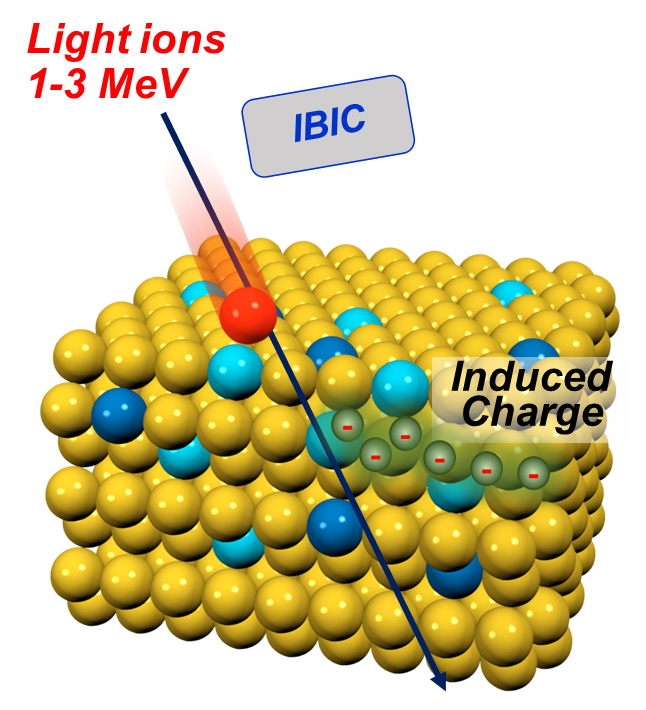
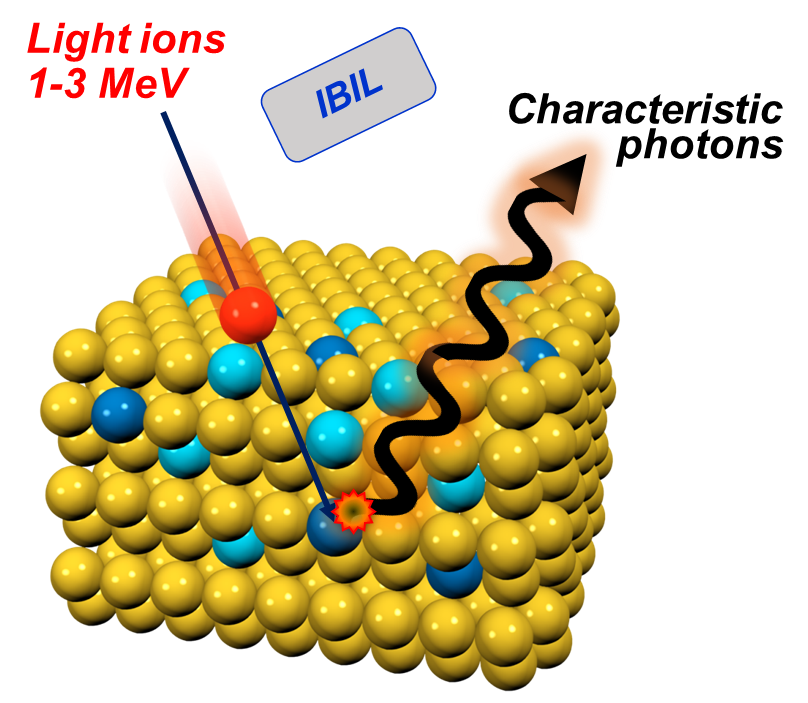
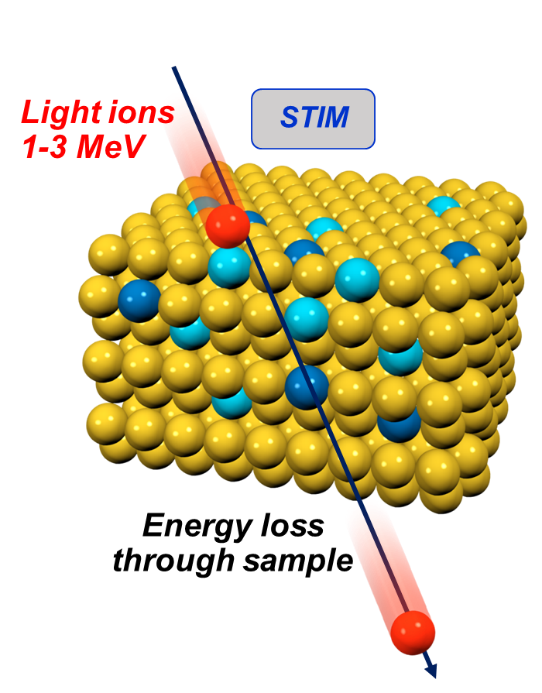
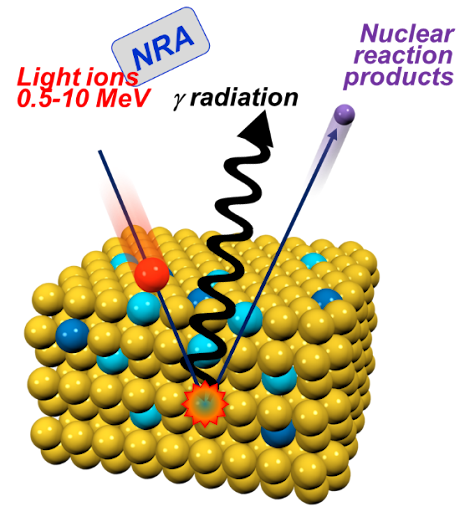
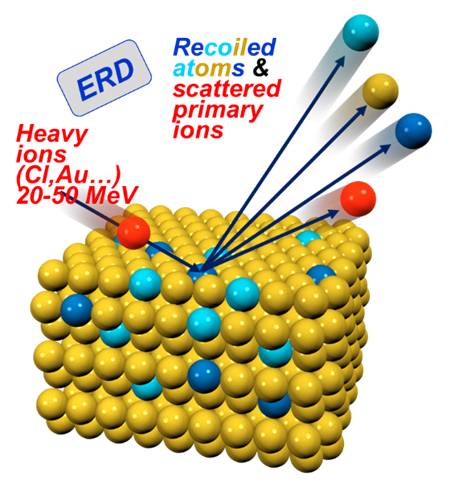
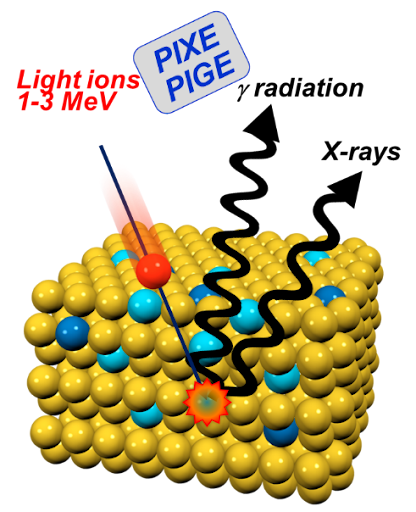
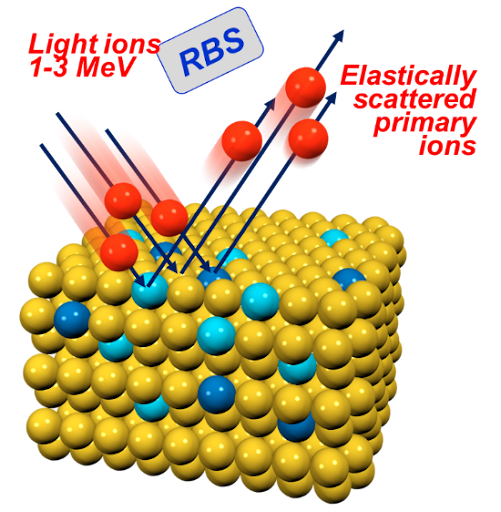
Ion beam analysis (IBA) is a collection of (conventionally!) elemental techniques that rely on the
interaction of an MeV primary ion beam with the sample, which can result in a range of diverse
physical effects like backscattered ions, X-ray and/or gamma-ray production and even ion beam
induced current or light.
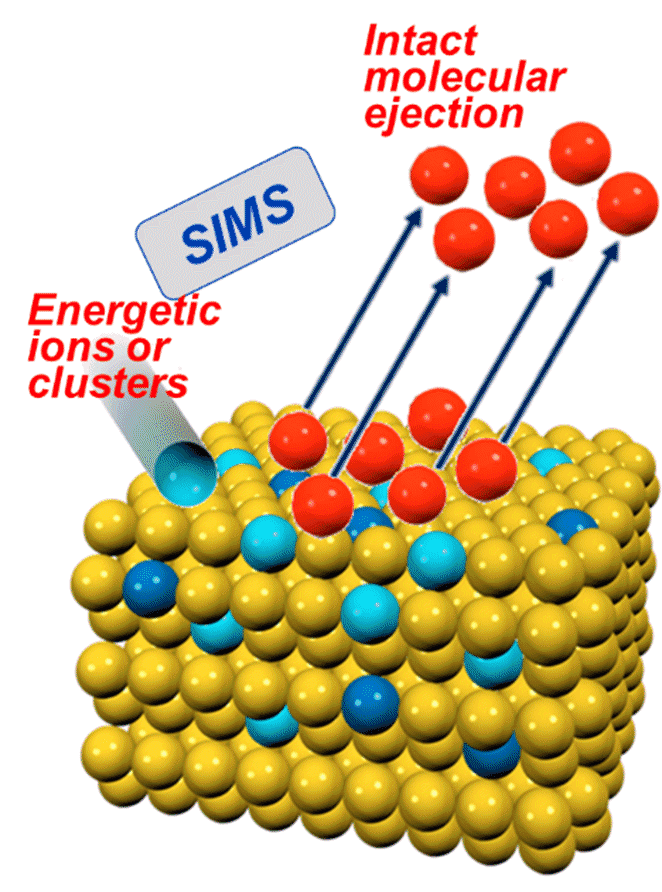
As well as providing elemental images, MeV ion beams can be used to generate secondary ions. This can be used to extend upon the mass range of the conventional (keV) SIMS techniques significantly, with >1000x improvement in the yield of intact secondary ions. MeV-SIMS has not fulfilled its potential, however, because current systems around the world use home-built mass spectrometers with poor ion transmission and mass resolution.
The proposed new system – funded by the EPSRC, EP/Y015134/1 – will incorporate a design where the quality of the mass spectrometry is independent of the nature of the primary ion beam used, and will capitalise on the optimised sample handling, ion transmission and data handling of the commercialised keV SIMS system. The addition of the MeV ion beam into the system is unprecedented internationally and will be provided by the existing tandem accelerator at the SIBC.
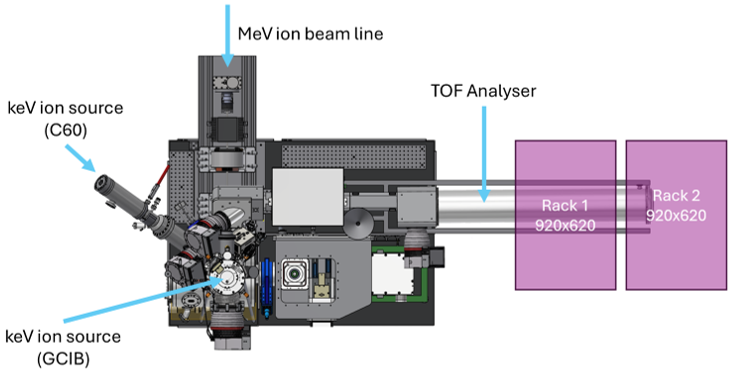
System will include:
- Focussed MeV ion beam for conventional IBA and MeV-SIMS
- Water cluster (keV) primary ion beam
- C60 (kV) primary ion beam
- TOF analyser for keV and MeV-SIMS experiments
- X-ray and particle detectors for conventional IBA
When installed and commissioned (early 2026), the system will allow:
- Elemental imaging (IBA)
- Depth profiling (IBA)
- 3D imaging of small and large molecules (keV and MeV-SIMS)
- Multimodal imaging of elemental and molecular species (SIMS and IBA)
- Multimodal depth profiling (SIMS and IBA)
The equipment will enable research in the following EPSRC areas:
- Energy and ICT
- Healthcare Technologies
- Manufacturing the Future
- Soft Matter Physics
- Analytical Science